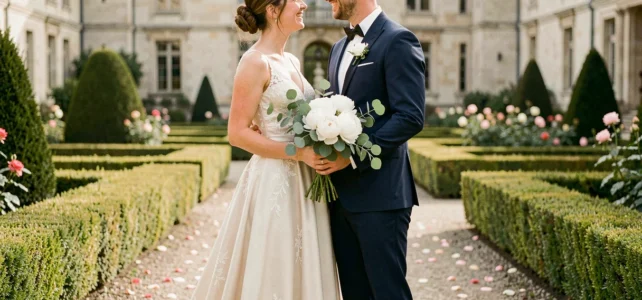
A wedding in 2024 is characterized by a strong desire for personalization and a focus on emotion. Current wedding trends are no longer limited to decoration or color choices: they affect the very structure of the day, from the ceremony to the logistics of welcoming guests.
Personalized secular ceremony: the emotional foundation of the wedding
The secular ceremony has established itself as the format where couples invest the most thought. The principle is simple: to create a narrative moment that reflects the couple’s story, without imposed liturgical constraints. Personal vows, readings chosen by loved ones, symbolic rituals (sand, candles, tree planting) create a tailor-made framework.
What changes in 2024 is the level of preparation. Couples are writing longer vows, selecting music for its personal significance rather than its popularity, and involving several loved ones in specific roles. The officiant of the secular ceremony becomes a true director, capable of structuring an emotional arc over thirty minutes.
Several specialized resources, including actu-mariage.fr, document these developments and allow tracking of practices that are becoming widespread from season to season.
The trap to avoid: multiplying rituals to the point of diluting the emotion. Two or three well-prepared strong moments leave a greater impression on guests than a succession of seven or eight symbolic sequences.
Guest experience: organization and comfort beyond decoration
The most underestimated trend concerns the welcome and comfort of guests. Couples organizing a wedding in 2024 now think about the day from their loved ones’ perspective, not just their own. This shift in perspective concretely changes logistical choices.
A centralized welcome booklet (paper or digital) gathers practical information: venue map, schedule, parking options, nearby accommodations, and transportation solutions for the end of the evening. This document avoids dozens of individual messages and reduces the stress of guests discovering a venue for the first time.
- A welcome area with refreshments upon arrival, even before the ceremony begins, to set the mood and help guests orient themselves
- Targeted attentions: fans or parasols in summer, blankets in autumn, blister kits for female guests in heels
- Clear signage at the reception venue, especially for outdoor locations where phone service is limited
- A quiet space designated for children or those who wish to rest during the evening
These details do not appear in any decoration catalog, but a well-welcomed guest participates more in the celebration. The investment is often modest compared to its effect on the overall atmosphere.
Sober and sustainable wedding decoration: what it really implies
Eco-responsibility applied to weddings goes beyond simply choosing local flowers. In 2024, sustainable decoration affects the overall format of the event: a smaller guest list, a venue close to home to limit travel, and recycled or reusable materials for table settings.
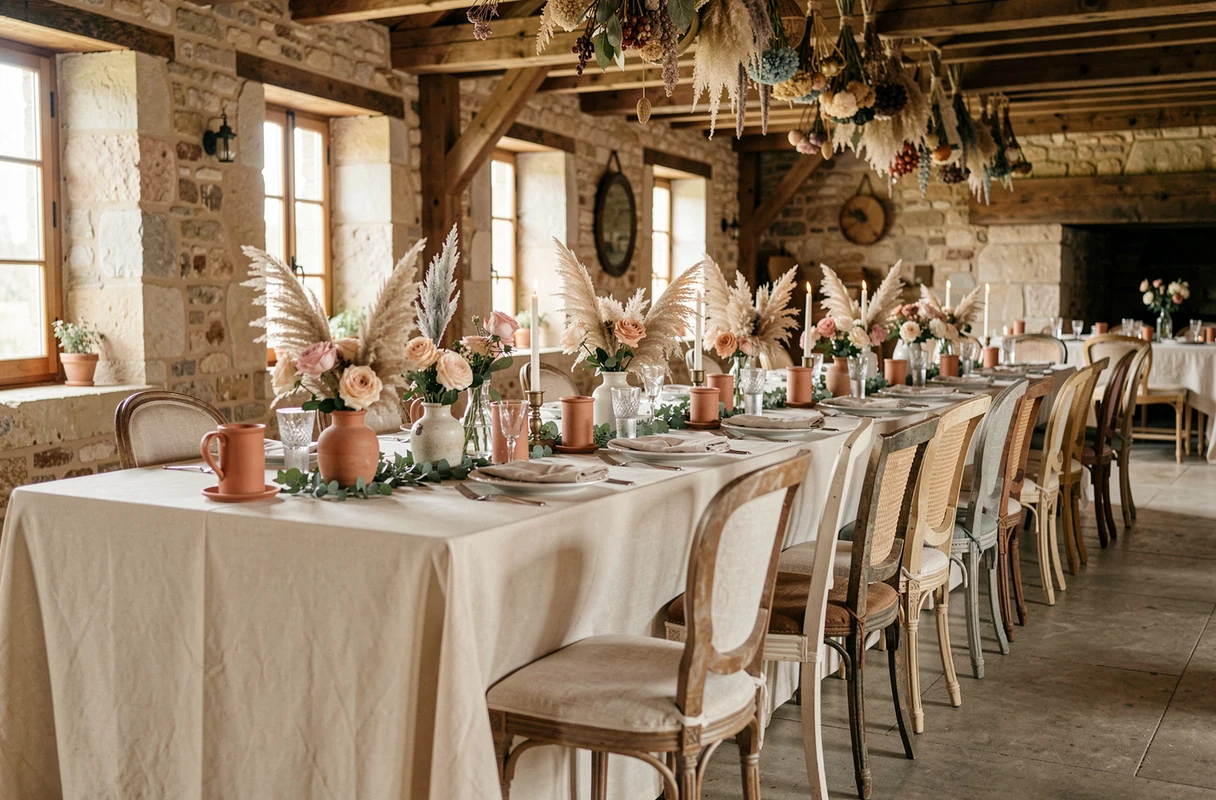
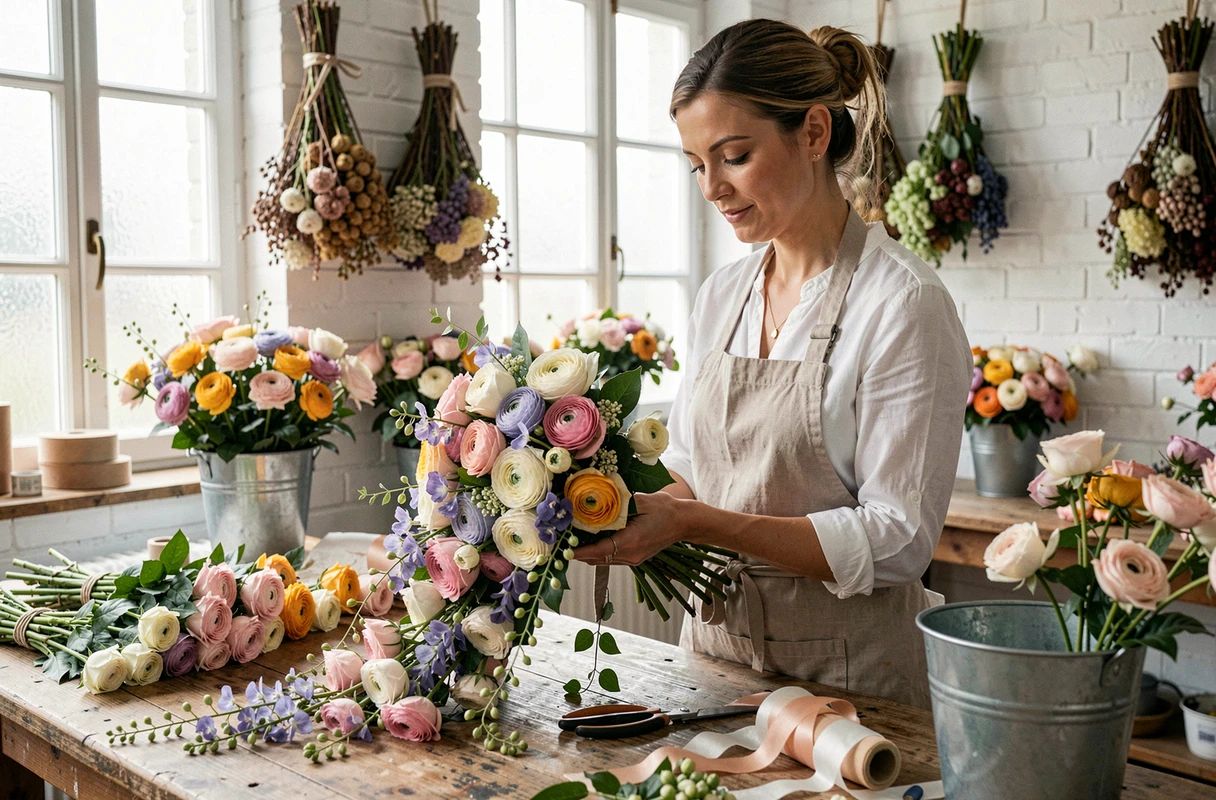
Concretely, this translates into natural color palettes (terracotta, sage, raw linen) that work with raw materials: wood, ceramics, unbleached fabric. Floral arrangements prioritize seasonal varieties and local foliage over out-of-season imported flowers.
Decorative minimalism is not a visual impoverishment. A table with a linen tablecloth, an eucalyptus runner, and simple candles creates a more cohesive atmosphere than an accumulation of disparate decorative elements. Fewer decorative pieces, but each chosen with intention, summarizes the approach.
The trap of decorative greenwashing
Some vendors label services as “eco-responsible” that are not truly so. A biodegradable balloon remains waste if no one composts it. Checking the origin of materials, asking if items are rented rather than purchased, and favoring local artisans remain the most reliable criteria.
Wedding planning: order of priority and realistic timeline
The trend towards professionalization of organization is confirmed. The most practical guides recommend starting preparations between twelve and eighteen months before the date. The order of priority follows a strict logic:
- Define an overall budget before any bookings, including a margin for unexpected expenses
- Establish the guest list, as it determines the choice of venue and caterer
- Set the date and book the reception venue, the two most constraining elements in terms of availability
- Select key vendors (caterer, photographer, officiant) at least eight months in advance
The budget determines every subsequent decision. Couples who reverse this order (choosing the dream venue and then adjusting the budget) often find themselves facing painful trade-offs on other aspects.
Wedding planner or self-organization
Hiring a professional coordinator is especially justified for weddings with over a hundred guests or multi-day events. For an intimate wedding, self-organization with a detailed timeline and a budget tracking spreadsheet is usually sufficient. The key remains to have a single point of contact on the day, even if this role falls to a trusted witness rather than a professional.
Organizing a wedding in 2024 involves balancing personalization and feasibility. Couples who succeed in this balance are those who define their priorities early: two or three non-negotiable elements (the ceremony, the venue, the music) and an assumed flexibility on the rest.