Listening to music streaming, running in a park, or going camping on the weekend: the relaxation habits of the French are evolving quickly. This ranking highlights three leisure activities that are gaining traction this year, by cross-referencing data from national surveys and trends observed on the ground. The main criterion: accessibility, whether in terms of budget, geographical proximity, or ease of practice.
1. Indoor fitness or free practice: the physical activity that is gaining ground

Have you noticed that gyms are popping up in every neighborhood? It’s not a coincidence. According to the national sports practices barometer 2025 (INJEP/CRÉDOC), the practice in commercial structures has significantly increased since 2018, while participation in clubs or associations is declining. In concrete terms, the French increasingly prefer to book a slot at the gym rather than commit to an entire season in an association.
This shift can be explained by flexibility. A fitness center offers wide hours, no obligation for annual membership in many cases, and access to varied equipment. For those who prefer the outdoors, running, cycling, or walking remain very popular free practices, with no entry cost.
Meanwhile, as shown by an analysis of sports licenses from 2016-2025 published by Patrick Bayeux, the number of licenses issued by recognized sports federations has been rising over the past decade. The penetration rate now exceeds a quarter of the French population. Team sports, racket sports, and combat sports thus maintain a solid base, even though free practice is capturing an increasing share of new enthusiasts.
A broader overview of leisure activities according to Utile au Quotidien confirms this sporting trend, placing it among other daily activities.
- Fitness center: ideal for those looking for a structured environment, group classes, and weightlifting equipment, often accessible in urban areas.
- Free practice (running, cycling, hiking): almost no cost, can be done anywhere, suitable for irregular schedules.
- Federated club or association: suitable for those who want a competitive environment, a coach, and a regular group, with a commitment for the season.
2. Slow tourism in France: nearby, short, and peaceful vacations
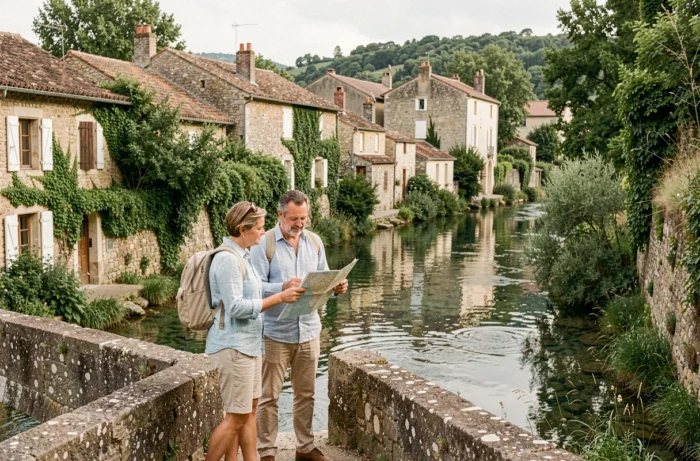
Traveling far and for long periods is expensive. This year, the trend of slow tourism is asserting itself: shorter, closer, and cheaper stays, according to several reports from TF1 Info dedicated to the summer vacations of the French. In Dordogne and the Landes, families are deliberately choosing tranquility over postcard destinations.
Camping remains the preferred format for this type of stay. It combines a controlled budget, direct contact with nature, and logistical simplicity appreciated by families with children. No need to book a flight or plan a complex itinerary: just load the car, drive two or three hours, and settle in.
The mountain barometer 2026 (Yonder) also shows that the mountains are increasingly attracting the French in summer, not just in winter. Hiking, swimming in lakes, visiting villages: summer in the mountains offers a sought-after freshness and activities accessible to the whole family. This shift towards nearby vacations is not just a matter of budget. It reflects a growing preference for slower rhythms, away from saturated tourist circuits.
Why is this choice so appealing? Because it eliminates two major sources of stress: the cost of long-distance travel and the organizational overload. A long weekend in a regional natural park sometimes replaces a week abroad, with a comparable level of satisfaction.
3. Cultural outings and thrilling experiences: museums, amusement parks, and escape games
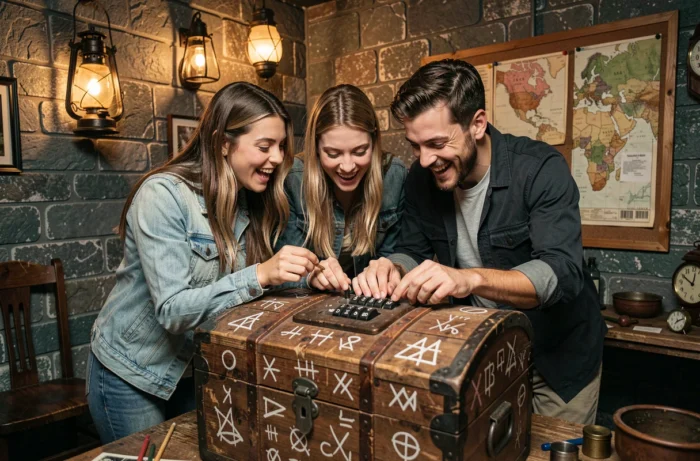
France has become the fourth global destination with the most thrilling experiences, according to TF1 Info. This figure illustrates a shift: the French are no longer content to passively visit. They want outings that combine discovery and adrenaline.
Amusement parks remain a family classic, but escape games and immersive visits are gaining ground in medium-sized cities. These short formats (one to two hours) are suitable for weekend outings without taking up an entire day. For fans of more traditional culture, museums and temporary exhibitions continue to attract, particularly thanks to increasingly interactive scenographies.
- Amusement parks and wildlife parks: day outings, suitable for children, often located within two hours’ drive of major urban areas.
- Escape games and immersive experiences: short format, accessible in city centers, popular among groups of friends and couples.
- Museums and exhibitions: dense cultural offerings throughout France, with reduced rates for young people and free evening openings in several establishments.
- Unusual activities (via ferrata, river cruises, hot air balloon rides): a growing segment driven by the search for novelty and thrills.
The common thread of these three categories of leisure activities: they require neither expensive equipment nor heavy planning. Whether it’s a workout after work, a camping weekend, or a museum outing on Sunday, each adapts to varying time and budget constraints. The French are not necessarily looking for the extraordinary, but for regular moments of respite, close to home and easy to organize.