Naturopathy occupies an increasing place in complementary health practices in France, even as its regulatory framework remains unclear. As an unregulated profession, without a state diploma or registration with a professional order, it nonetheless attracts a wide audience, drawn to an approach that focuses on nutrition, medicinal plants, and lifestyle hygiene. Understanding what natural care truly encompasses, its documented limits, and the current state of the profession allows for informed choices.
Naturopathy and Legal Framework in France: A Profession Without Official Status
As of 2026, naturopaths still operate without legal recognition from the French administration. No registration with ADELI or RPPS, no state diploma, no professional order. This situation has direct consequences on daily practice: consultations are not reimbursed by health insurance, and the practitioner cannot make any medical diagnoses.
From a tax perspective, a naturopathy practice falls under the VAT exemption regime as long as the turnover remains below the threshold applicable to service provisions. This lack of framework pushes some practitioners to seek private certifications in an attempt to legitimize their activity.
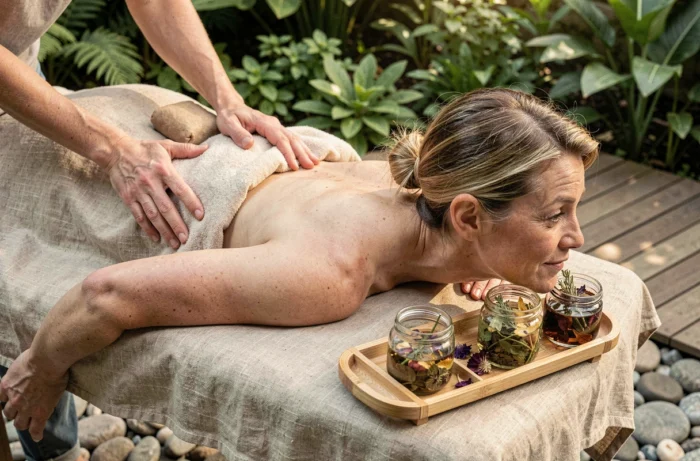
Organizations like the Institut Boté offer natural care approaches that align with this professionalization dynamic, combining manual techniques and comprehensive well-being support.
Training of Naturopaths: What Changes with the End of CPF Funding
Since 2023-2024, France Compétences has not renewed the registration of the title “Naturopathy Advisor” in the RNCP. In practice, this means that funding through the Personal Training Account is closed for this field. Individuals wishing to train must now self-finance their courses or find alternative funding.

In response, the FÉNA and FEDE launched a private Bachelor’s degree in naturopathy starting in 2024, aiming for level 6 of the European Qualifications Framework. The program includes 1,800 hours of training, of which 400 hours are internships. This title remains strictly private: it does not equate to a state diploma and does not provide any automatic recognition from the administration.
This situation creates a gap between the training offer and public expectations. A consultant displaying a private certificate does not have the same institutional legitimacy as a health professional registered in an official registry. Field feedback varies on this point: some practitioners trained in schools recognized by the FÉNA claim a solid level of competence, while other shorter programs raise questions about the depth of the teaching.
Natural Care and Scientific Evidence: Where Research Stands
One of the pillars of naturopathy relies on the use of medicinal plants, stress management techniques, and dietary recommendations. For each of these aspects, the level of evidence varies significantly.
Regarding botanical therapies, systematic reviews exist for certain plants. The available data do not allow for a conclusion of universal efficacy: results depend on the plant studied, dosage, and clinical context. In contrast, for areas like stress management through breathing or adapted physical activity, the benefits are better documented by conventional medical literature.
Naturopathy claims a holistic approach to the body and organism, integrating emotional balance, nutrition, and vital energy. This global vision is appealing, but it also complicates scientific evaluation: measuring the effect of a program that simultaneously modifies diet, sleep, and physical activity poses methodological challenges that traditional clinical trials struggle to resolve.
What Naturopathy Can Concretely Offer
The areas where feedback from consultants is most consistent concern three axes:
- Personalized dietary support, with a rebalancing that takes into account intolerances, habits, and lifestyle, rather than a standardized diet
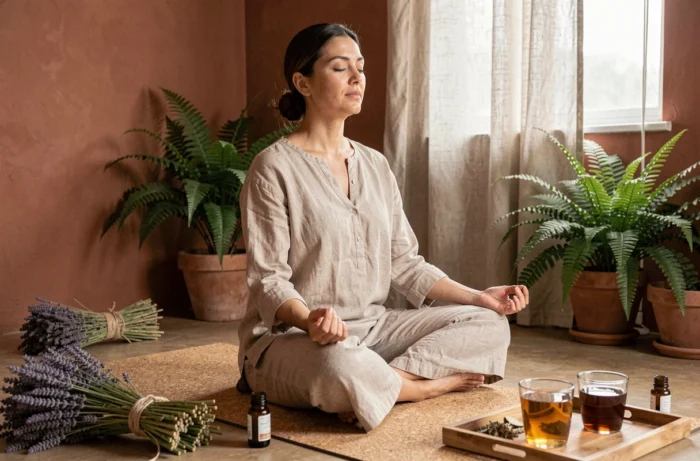
- Stress management techniques (breathing, relaxation, adaptogenic phytotherapy), which complement medical follow-up without replacing it
- Support for overall vitality through lifestyle hygiene (sleep, movement, exposure to natural light), simple yet often overlooked levers
These axes do not replace medical care. Naturopathy positions itself as a complement, not an alternative to conventional medicine.
Choosing a Naturopath: Concrete Verification Criteria
The lack of regulation makes choosing a practitioner delicate. A few guidelines can help limit risks:
- Check the duration and content of the training completed (number of hours, presence of practical internships, training organization affiliated or not with the FÉNA)
- Ensure that the practitioner does not claim to replace a doctor and encourages the maintenance of conventional medical follow-up
- Request details of the techniques used during the first consultation to assess the transparency of the approach
A serious naturopath refers to a doctor as soon as a symptom exceeds their scope of competence. This reflex of redirection constitutes a reliable indicator of professionalism.
The cost of a consultation varies among practitioners and regions, without an official fee schedule. Some mutual insurance companies offer an annual package for complementary medicine, but coverage remains partial and not systematic.
Naturopathy is going through a pivotal period in France. Between rigorously trained practitioners and an institutional framework that is slow to structure, the gap persists. For the consultant, vigilance regarding the practitioner’s training and the complementarity with the conventional care pathway remain the two most concrete points of attention before engaging in support.